High-Performance Epoxy Novolac Resin Series (Phenol Novolac Epoxy / EPN Resin)
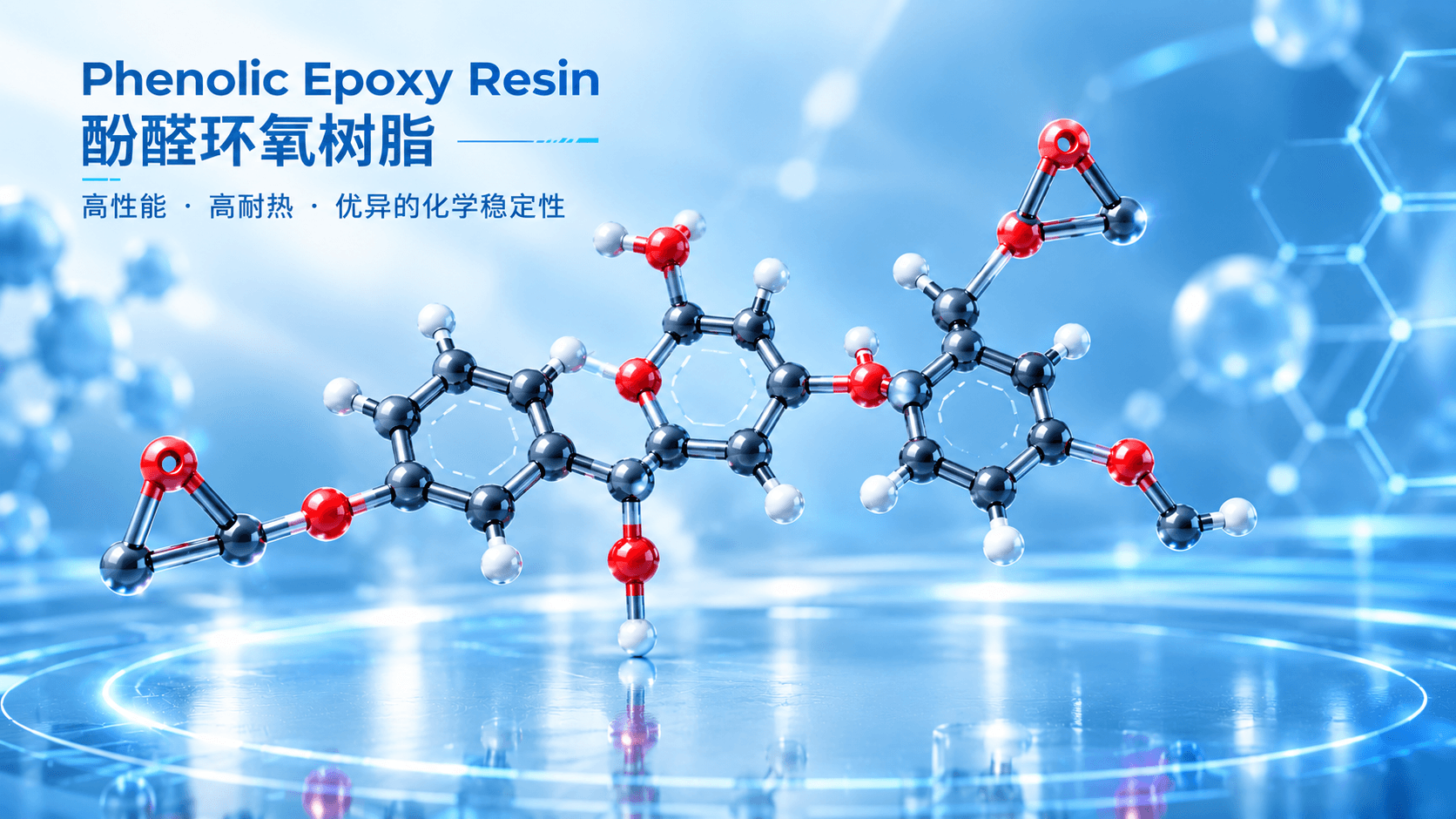
Engineered by Shanghai Feimi Material Technology Co., Ltd., our Epoxy Novolac Resin (EPN) Series represents a premium class of multi-functional epoxy resins designed for applications operating under extreme thermal, chemical, and mechanical stresses. In demanding industrial environments—such as heavy-duty anti-corrosion linings, aerospace composites, high-temperature potting compounds, and structural adhesives—standard Bisphenol A (BPA) epoxy resins often reach their performance limits regarding heat resistance, chemical immersion, and crosslink density. By introducing a multi-functional phenol-formaldehyde backbone, Feimi Material's Epoxy Novolac Resins deliver significantly higher epoxy functionality per molecule. Upon curing, they form an exceptionally dense three-dimensional network that exhibits elevated Glass Transition Temperatures (Tg), outstanding resistance to aggressive acids, bases, and organic solvents, and long-term structural stability at high temperatures.
Product Specifications & Technical Features
Our Epoxy Novolac Resins feature consistent epoxy equivalent weight (EEW) distribution, high chemical purity, and excellent compatibility with Bisphenol A/F resins, cycloaliphatic epoxies, and various curing agents (amines, anhydrides, and dicyandiamide).
| Products | EP-NV1 | EP-NV2 |
|---|---|---|
| 外观 Appearance | 无色透明液体 Transparent liquid | 无色透明液体 Transparent liquid |
| 环氧当量 EEW (g/mol) | 160~175 | 160~175 |
| 粘度 viscosity (25℃, mPa.s) | 8000~16500 | 3500~8000 |
| 总氯 Total chlorine (ppm) | <=1800 | <=1500 |
| 应用 Application | 航空航天Aerospace,电子电气 E&E,涂料Coating | 航空航天Aerospace,电子电气E&E,涂料Coating |
Key Product Advantages
- Multi-Functional Architecture for Maximum Crosslink DensityFeaturing high epoxy functionality, our EPN resins cure into an ultra-dense 3D network, imparting unmatched mechanical strength, dimensional stability, and hardness to the final matrix.
- High-Temperature Performance & High Tg Delivers glass transition temperatures (Tg) exceeding 180°C when formulated with appropriate hardeners, maintaining structural integrity and creep resistance under harsh thermal environments.
- Uncompromising Chemical & Solvent ResistanceExhibits extraordinary barrier performance against concentrated acids, alkalis, fuels, hydraulic fluids, and aggressive organic solvents, preventing blistering, swelling, or matrix degradation. Versatile Processing & Blend CompatibilityCan be easily blended with standard Bisphenol A or Bisphenol F epoxy resins to fine-tune viscosity, balance flexibility with thermal performance, and optimize processing economics.
- Excellent Thermal Moisture & Corrosion ProtectionExtremely low water absorption and dense molecular packing provide long-term protection against hot-water immersion, steam, salt spray, and atmospheric corrosion.
Product Applications
- Heavy-Duty Anti-Corrosion Coatings & Linings: Internal linings for chemical storage tanks, oil & gas pipelines, marine ballast tanks, and industrial flooring exposed to severe acid/solvent environments.
- High-Temperature Structural Adhesives: Formulations for aerospace bonding, automotive powertrain structural glues, and industrial AB adhesives requiring high thermal retention and shear strength.
- Electrical & Electronic Insulation: High-reliability encapsulation, potting compounds, transformer casting resins, and high-Tg printed circuit board (PCB) laminates.
- Advanced Composite Matrices: High-performance matrix resin for carbon fiber/glass fiber prepregs, filament winding, and pultrusion used in high-heat industrial and aerospace structural components.
Handling precautions:
- For specific safety operations, refer to the MSDS document
- It's recommended to perform process validation before use (e.g., curing curve test)
FAQ
- Q1: What is the main performance difference between Epoxy Novolac Resin (EPN) and standard Bisphenol A Epoxy Resin (DGEBA)?A: Standard Bisphenol A epoxy resins typically have a functionality of around 2.0, whereas EP-NV1 possess higher functionality (typically ~2.5). This higher functionality results in significantly higher crosslink density upon curing, which translates into superior chemical/solvent resistance, and greater thermal stability compared to DGEBA resins.
- Q2: How can I reduce the high viscosity of Epoxy Novolac Resins during processing?A: Epoxy Novolac Resins can be blended with lower-viscosity Bisphenol F epoxy resins or reactive diluents (such as aliphatic or aromatic monoglycidyl/diglycidyl ethers). Blending with Bisphenol F is a common industry practice as it lowers overall viscosity while maintaining high chemical resistance and mechanical toughness.
- Q3: Does Shanghai Feimi Material offer tailored Epoxy Novolac formulations for specific processing temperatures or viscosities?A: Yes. Feimi Material operates dedicated technical labs and manufacturing lines. We can adjust the average functionality, viscosity profile, or supply blended resin systems tailored to your target application (e.g., prepreg, filament winding, tank lining, or electronic potting).